
Tis the Season! 8 Ways to Avoid Drinking this Season if You’re a Recovering Alcoholic

stop drinking

Christmas is fast approaching, meaning it’s time for parties and get-togethers. It’s an amazing time of year filled with love and laughter. But it can be hard if you’re a recovering alcoholic.

Christmas and New Years leads to an increase in levels of binge drinking. With so much booze flowing, it can make staying sober a challenge. Temptation is all around you, but you are strong enough to resist.

All you need is some strong willpower and the ability to say no. Here are eight ways to stop drinking this holiday season.

1. Say No

It’s the time of year when party invitations are thrust upon you by almost everyone you know. When pretty much everyone around you is drinking, it can put pressure on you to drink.

Remember that you can say no. There’s no shame in turning down an invitation and saying no if you’re triggered. If you can’t face being around alcohol or drunk people, you can bow out of the situation.

It may seem rude to not attend, but there are so many parties happening they’ll be too busy to notice! If they do ask why you can’t attend, you could say that you have other plans instead. You don’t need to tell anyone if you don’t want to.

2. Talk It Out

Talking about these kinds of things can do wonders for you. It helps lift the burden from your shoulders and people will be supportive of you.

This is a time of year where it’s important to reach out to your support network. Whether it’s your sponsor or a loved one you trust, if you’re struggling, let them know.

They say a problem shared is a problem halved. Be honest about your feelings and emotions during this time. This kind of support network can help you prevent a relapse.

3. Stay Away From Triggers

When there’s so much alcohol everywhere you turn, it’s easy for it to trigger you. You need to be aware of what your triggers are and how to avoid them.

If this means you need to avoid the biggest party of the year or turn down lots of party invitations, then so be it. As long as you are looking out for yourself and your sobriety, that’s all that matters.

Tell hosts that you can’t make it along this year and and leave it at that. You don’t owe anyone an explanation when it comes to staying sober and healthy.

4. Know When to Go Home

If you do end up going to a party, that’s great! You know your triggers and you know how to handle them. But it’s important to know when it’s time to leave.

When the party starts to get out of hand or when people start pressuring you to drink, that’s your cue to go. When you’re one of the few sober people present, you’ll know when the time has come.

Don’t rely on anyone else for a ride home or you could be stuck at the party for hours. Use your own car or leave while public transport is still running. Plus, you won’t have the stinking hangover when the morning comes!

5. Stay Busy

Holiday pressure can be overwhelming, so try to keep yourself busy. Get involved with clubs or indulge in your hobbies more. Keeping your mind off drinking is key.

Exercise more often or try to learn a new skill. It will leave you feeling motivated in other areas of your life too and keep you from wanting to drink.

Try to read some inspirational books or watch some inspirational movies. There’s lots you can do and it can make your life a lot more meaningful.

6. Drink Something Non-Alcoholic

When you’re at the office party or family gathering, there’s going to be booze all around. If you know what non-alcoholic drink you’ll be sipping on, it makes it easier to deal with.

Stick to soft drinks or non-alcoholic cocktails. When you have a drink in your hand, alcoholic or not, people won’t ask why you aren’t drinking.

If they do ask though, you only have to say you don’t feel like it. Also, make sure you keep ahold of your drink throughout the night. It’s easy to forget and pick up someone else’s that could have alcohol in it.

7. Create Your Own Traditions

When past Christmases involved heavy drinking, this time of year can be difficult. When all your memories involve alcohol, you are always reminded of it.

But now is a great opportunity to create new memories without alcohol involved. Make your own Christmas traditions that you can look back on with fond memories. Do things like throwing an alcohol-free dinner party or Christmas movie night.

These are things everyone loves to get invited to and are always a great time. They also pave the way for great memories and great Christmases in years to come.

8. Try to Stay Strong

Christmas and New Year is a very tough time to stay sober and stop drinking. It isn’t going to be easy, but you are strong enough to do this.

Remind yourself each day why you’re sober now and how it is improving your life. Stay in touch with your support system and keep them close, they are here to help you through it.

Don’t set huge expectations for yourself and take each day as it comes. Before you know it, Christmas and New Years will be over and you will have conquered it without touching a drop!

These Tips Will Help You Stop Drinking This Holiday Season

If you’re looking to stay sober and stop drinking over the holiday season, these tips will help you. Keep them in mind as the season progresses and know that you don’t need to succumb to the pressure. In no time, it’ll all be over for another year and you can congratulate yourself on staying strong.

Are you struggling with an alcohol addiction? Check out our website to see how you can you can overcome addiction.

How to Stage an Intervention for a Loved One with an Addiction

stage an intervention

 Do you have a loved one who is addicted to drugs or alcohol? Are you looking for ways to help them get treatment? Surprisingly, almost 15% of all American adults battle some form of substance abuse, and only about 10% get treatment.
Staging an intervention is one way to help people with addictions get started with rehabilitation services. An intervention is a gathering of friends, family, and perhaps professional counselors that is designed to help people seek treatment. 

If you’re considering organizing an intervention, this article is for you. We’ll give you insider tips on how to stage an intervention, as well as help you get started finding long-term rehab solutions.

Assemble Your Team

When it’s time to plan an intervention, you should try to find team members with a close bond to the person with the addiction. If they’re close to their children or grandparents, that could be a good choice.

Even friends or co-workers can be members of an intervention team, as long as they have no connection to drugs or alcohol. You definitely don’t want “party buddies” to be on your intervention team.

You’ll need to start planning several weeks in advance and make sure that everyone is available on the same day. You don’t want to tell your loved one about the intervention in advance, because that increases the chance that they won’t attend. 

Practice, Practice, Practice

Emotions can run high during an intervention, so get together with your team a few times to practice. You’ll need to figure out who’s going to speak first, and what everyone’s going to say.

When you’re putting together your remarks for the intervention, try to focus on the person with the addiction. Avoid blaming them, but set consequences for their actions. For example, if they don’t seek treatment, do you need them to find somewhere else to live?

Focus on your feelings and on your vision of their recovery. Be honest about how you feel, watching them use drugs or alcohol, and what you’d like to have happen. It’s important to have a rehabilitation destination ready so they can go there after the intervention.

Pick the Perfect Location

Staging an intervention at home may not be the best idea, because your loved one can easily leave. By the same token, you don’t want to embarrass them in public. One option for an intervention location is the office of a mental health or addiction specialist. 

Figuring out where to host the addiction intervention can be a delicate process. You don’t want to let on that you’re going to be having an intervention, but you have to get your loved one to the location somehow.

If your loved one is depressed, suicidal, or is prone to violent outbursts, you should probably involve a mental health professional or a drug and alcohol counselor. 

Remember, there are also people who are addicted to gambling, computer gaming, and even shopping. It’s important to find the right kind of rehab center for your loved one’s needs.

Find a Good Time

If you’re wondering how to hold an intervention, a large part of it is timing. You should try to have the conversation with your loved one when they are sober, if possible.

The right timing will vary according to the person, of course, and will have to depend on when your group can meet up together. Again, you don’t want to ambush them, but clearly state that you have seen their addictive behavior and that you want to help them get treatment.

If your loved one has a counselor or mental health professional, see if you can contact them before the intervention. They may not be able to give you much information due to medical privacy laws, but they should have some recommendations about how to stage the intervention.

A good time for an intervention might be in the early morning when the person with addiction has just woken up. Or in the evening after work, before they go to the bar. You’ll find the right timing because you know your loved one’s personal habits.

Develop a Rehab Plan

Unfortunately, you might not get a positive response when you begin the intervention. It can be challenging for a person with addiction to confront their habits and make changes.

That’s why it’s important to have a rehab plan in place. You might think that insurance won’t cover it, but you might be surprised by how flexible rehab centers can be. 

You’ll need to choose between in-patient and out-patient rehab options. Depending on the severity of your loved one’s addiction, going into a focused rehab facility could help them with the detox process. 

Keep Trying

If your attempts to stage an addiction intervention don’t work at first, it’s important to keep trying. Being honest with your loved one about their addictive behavior is going to help them change their lives. 

Don’t give up. If your loved one leaves the intervention or declines the chance to attend rehab, wait a few weeks and try again. They’ll thank you for it when they get clean.

How to Stage an Intervention for Teens

If you’re wondering how to stage an intervention for teens, you should contact their school. They may have a counselor or a favorite teacher who could help you talk to them about going to rehab. 

Teen interventions are similar to adult interventions, except that in some states a parent can commit a child to a rehabilitation facility. You’ll need to know the laws in your state and be ready to transport your child to the facility if necessary.

The focus of an intervention should be compassion, but if people get frustrated the tone can shift rapidly. It can be frustrating to watch a child or family member struggle with addiction, especially if they have already gotten treatment several times. 

We have a wide range of blogs that deal with addiction, and a number for immediate help is featured on every page of our website. Give us a call to learn more about local rehab options near you. 

Does Insurance Cover Rehab Costs?: Everything You Need to Know

rehab costs

Did you know that the Affordable Care Act (ACA) requires most insurance companies to offer addiction treatment services coverage? Considered essential health benefits, rehab costs don’t have to come between you and a healthier, happier future. That said, you need to do some research into what your individual provider covers.
Not sure where to start? We’ve got you covered. Read on for everything you need to know about estimating rehab costs and finding out what your insurance covers.

Researching Your Insurance Coverage

Start by determining what your individual insurance provider covers. Collect all of the information that you can about your specific insurance plan including the name of your provider and identification number. You will find both your ID number and contact information on the card issued by your insurance company.

Use this information to call your insurance company to find out more about your rehab costs coverage. During the call, you may be prompted to give your:

  • Full name
  • Date of birth
  • Social security number
  • Name of the individual through which you’re insured

Have this information ready to go before the call. Once you have a better idea of what your provider covers, speak with potential rehab facilities about which in-network insurances they accept.

Speaking with Potential Rehab Facilities

Now, make a list of potential rehab facilities and give each one a call to see which insurance plans they accept. You’ll also get a better feel for each facility by talking directly with the staff there to see how helpful, welcoming, and professional they act.

When you get somebody on the phone, give them the information about your healthcare insurance and plan and ask them if they accept this plan. Be prepared to share the following with them:

  • Your name
  • Date of birth
  • Insurance provider
  • ID number

With this information, they’ll verify your insurance coverage as well as get a detailed breakdown of what your provider will actually pay for.

Getting a Detailed Breakdown of Treatment Costs

At this point, they should tell you how much rehab will cost and what percentage of the bill you’ll remain responsible for.

How much you end up owing depends on your insurance provider and plan type. Your insurance may limit you specifically to outpatient rather than inpatient care. Or, they may limit how many days of rehab they cover.

A good treatment center will help you sort out coverage details with your insurance so that you have a clear understanding of what you’ll owe in advance. But, if you prefer, you can also get this information by calling your insurance company and providing them with the name and information of a rehab center that you’re considering.

Just make sure you get an itemized breakdown of what the rehab center plans on charging you so that you can discuss this with your provider. If this feels too complicated or your provider asks questions you can’t answer, direct them to the rehab center.

Calculate Your Out-of-Pocket Costs

More than likely, you’ll have out-of-pocket costs associated with rehab. Why? Because most insurance companies have a deductible you must meet before they start covering treatment costs.

Find out what this deductible is and count it among your out-of-pocket expenses. You may also have co-pays or coinsurance costs, which represent a percentage of your total treatment expenses. These costs may add up leaving you second-guessing your decision to seek treatment.

But consider this an investment in a happier, healthier life. You deserve the chance to live life sober, and rehab represents one of the single most important and positive decisions you’ll ever make. While it might not seem like it now, your treatment costs will get returned to you a hundredfold in the form of:

  • Mended relationships
  • Career improvements
  • Better health
  • Newfound control over your life
  • Other ways you can’t yet imagine

Yes, rehab proves expensive. But addiction is even more expensive, and it comes with heartbreak, suffering, increasingly severe health consequences, and even death.

File a Claim for Rehab Costs

Now that you know how much your insurance covers, have found a good treatment program that accepts your coverage, and you understand your out-of-pocket expenses, it’s time to file a claim. A claim lets your insurance company know exactly which treatments you’re seeking. While you can file a claim, it’s much easier if your treatment center handles this for you.

Either way, your healthcare coverage provider will need to see an itemized doctor’s bill. This should include a detailed list of every treatment and medication you’ve received and the cost. It will include a breakdown of:

  • Treatments
  • Procedures
  • Medications
  • Overall cost
  • Insurance codes

Your provider will prove most interested in insurance codes, which provide them with a way of categorizing the treatments you receive. Once your insurance company receives the claim, if the correct information has been provided, they’ll process it and pay their portion of the costs.

Sometimes, mistakes happen, however. From the wrong insurance codes to no codes at all, these errors can result in a claim denial. Or, they may indicate procedures and treatments not covered by your plan.

That’s why it’s so important to get as many of your rehab treatments, medications, and procedures approved ahead of time. That way, you know with certainty what you will and won’t owe at the end of the day.

Develop a Plan of Action

Now that you know which portion of the costs are out-of-pocket, come up with a plan of action to pay them. Find out if your treatment center offers a sliding payment scale based on your household income. Ask your rehab center about payment plan options, too.

That way, you can conquer your debt with reasonable monthly payments. A good treatment center will work with you to pay your out-of-pocket expenses. Don’t be afraid to discuss finance options with them.

We’re Here to Help

Interested in learning more about rehab costs and insurance coverage? Or, maybe you have questions about the difference between inpatient and outpatient rehabilitation?

We’re here to help, so contact us at 1-855-431-5578 for immediate assistance. And follow our blog to learn more about addiction and how to overcome it.

In-Patient vs Outpatient Rehab: Exploring the Pros and Cons of Each

outpatient rehab

Addiction is already difficult. Choosing a rehab program can be an anxiety-inducing process on top of that struggle.

The options for people seeking treatment range. They roughly break down into inpatient or outpatient care. Where you go will depend on your needs and comfort level.
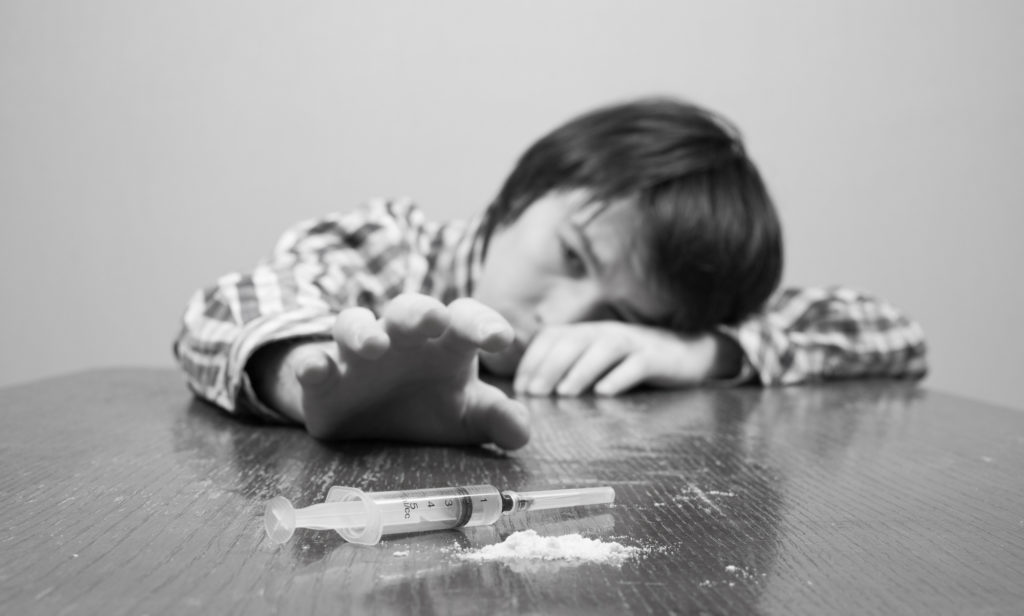
Before making a decision on a rehabilitation program, you’ll want to weigh all your options.

Read more to learn about the pros and cons of inpatient and outpatient rehab.

Inpatient Rehab

During inpatient rehab, the individual stays in a facility for treatment. The duration of care will depend on your level of addiction. Most inpatient rehabs require patients to stay in the center for three weeks to ninety days.

The specifics of the program will depend on your medical condition and needs.

Patients in rehab facilities often undergo a “detox” process. This happens before the start of the program. The detoxification period may involve certain medications to help with withdrawal.

Pros

Inpatient rehab has the advantage of providing no distractions. Being in the outside world sometimes derails recovery. In an inpatient facility, the entire focus is on beating addiction.

In a center, there’s also no access to alcohol or substances. This means there are fewer triggers for relapsing.

Inpatient treatment is longer and more intensive which produces a higher chance of success in recovery.

Professionals monitor and care for patients at all hours. This is beneficial for people who are recovering from long-term substance abuse.

Some treatment centers also have specialized services beyond therapy. These might include yoga, meditation or other forms of exercise.

For someone who can afford one, there are luxury programs. These offer high-quality accommodations and facilities for maximum comfort.

A benefit of inpatient treatment is the routine emphasis on counseling and mental health. Each program differs but all involve some form of therapy. These include group and individual sessions with a counselor.

Cons

One disadvantage to inpatient treatment is that you’re restricted to a particular facility. You have less contact with friends and family, and you’re discouraged from leaving at all.

This means that individuals often have to pause their family lives and jobs. Since the primary focus is on recovery, there’s very little access to the outside world.

One con of staying in an inpatient facility is the stigma surrounding addiction. Some people in recovery may feel a sense of shame or embarrassment for being in a rehab facility.

Individuals trying to decide between programs may find that cost is an important factor.

A con of inpatient care is that it can be expensive. Some insurance companies don’t cover the time spent in a rehabilitation center.

The cost will also depend on the quality and location of the particular facility.

Outpatient Rehab

Outpatient rehab doesn’t involve staying in a facility like inpatient rehab.

The person lives at home and continues with normal everyday duties such as work or school. They instead attend therapy sessions or meet with a psychiatrist for regular treatment.

Outpatient programs focus on mental health and sobriety.

Some outpatient individuals have already undergone inpatient treatment. In this case, the focus may be on how to reintegrate into their lives and resume responsibilities.

Pros

A major advantage of this type of care is that an individual can continue with their normal routine. There are fewer interruptions. An individual doesn’t have to leave a job or family to receive care.

One positive aspect of outpatient care is that a person can receive support from their family.

Outpatient programs offer a certain flexibility. Patients choose help that will fit into their daily schedule.

These programs center around therapy. Most individuals will do some form of counseling such as cognitive behavioral therapy. A well-known form of outpatient care is the program Alcoholics Anonymous.

You may meet weekly for a group session or an individual meeting with a professional. Regular counseling is a positive of outpatient programs because it builds community. People have the opportunity to forge relationships and connect with others in sobriety.

Another important advantage involves affordability. Outpatient rehab is sometimes more affordable than inpatient programs.

Cons

The greatest disadvantage of outpatient rehab for substance abuse is that there’s an increased risk of a relapse.

Living in the same environment you were in as an addict, while trying to recover, can be stressful.

The outside world exposes individuals to drugs and alcohol. It’s harder to resist cravings and desires when they’re readily available.

Individuals in outpatient programs also don’t have access to around-the-clock care. They may only see a therapist or counselor once a week rather than every day.

A drawback is that people with life-threatening complications might not receive proper care.

Outpatient care is not always ideal for people experiencing withdrawal symptoms. For instance, people with a history alcoholism may experience serious symptoms while withdrawing. These can include hallucinations or seizures.

Symptoms will depend on the type of substance abuse problem. The condition you’re in before seeking help will also be a factor.

Learn More

If you’re unsure whether you need treatment, take a look at these signs of addiction.

Many factors go into choosing between inpatient and outpatient rehab. The choice is up to you.

Before committing to a program, make sure to consider every factor. Ask yourself which environment will help you the best on your road to recovery. Every person is different in terms of what will benefit them.

There’s also plenty of support online for addicts looking to get sober. For more information and tips on recovery, visit us here.

Opiate Withdrawal Timeline: What to Expect On the Way to Recovery

opiate withdrawal timeline

Are you planning to quit opiates and wondering what to expect?

Or maybe you’ve managed a few days clean and want to know what happens next?

It’s a sad fact that 40 to 60% of people who’ve been treated for addiction relapse within a year, but being fully informed and properly prepared will increase your chance of success.

When you’re feeling awful in the early days of recovery, knowing that there’s a light at the end of the tunnel could be what stops you from relapsing.

Having a timeline to follow also helps you to watch out for potential triggers at each stage of your journey.

Set yourself up for success by reading the detailed opiate withdrawal timeline below.

Days 1 – 3

Days one to three are usually the worst in terms of physical withdrawal symptoms – and these will be intensified if you’re stopping cold turkey, rather than tapering down.

The safest option in these early days is to get advice from a medical professional. They might recommend a short taper or the use of maintenance drugs.

The symptoms you can expect to experience after quitting include:

  • Nausea and vomiting
  • Diarrhea
  • Anxiety
  • Depression
  • Restless legs
  • Insomnia
  • Sweating or fever
  • Abdominal pain
  • Muscle aches
  • Runny nose and watery eyes
  • Mood swings and irritability
For short-acting opiates, symptoms will arise around 12 hours after your last dose. For long-acting opiates, it may take up to 72 hours.

As a general rule, you can expect to feel like you’re suffering from a nasty virus or stomach flu.

Symptoms will generally increase in intensity until day three, and then gradually start to improve. If you’re struggling with cravings on day two or three, it can help to remember that you’re very close to feeling better.

You can take care of yourself in the early days of recovery by eating small, healthy meals, staying hydrated, getting plenty of rest, and starting to exercise gently once you feel able.

Be wary of any magical ‘opiate withdrawal remedies’. There’s no quick fix for opioid withdrawal.

However, if you’re struggling to manage symptoms yourself at home, don’t hesitate to seek medical advice. You may benefit from supervised opiate withdrawal treatment, particularly if you were using a high dose of opiates or have other health conditions.

As far as physical symptoms go, the early days of recovery are the worst. Make it through this crucial time and you’ll have a strong foundation to build upon.

Days 3 – 7

Around day three, you should notice your physical symptoms starting to subside.

You may struggle with lingering stomach issues, trouble sleeping, or aching muscles, but severe symptoms like vomiting and diarrhea should end.

However, a reduction in physical symptoms doesn’t always mean that staying sober will be easier. As you start to feel better, you might notice that cravings start to sneak in.

You may experience mental health issues like:

  • Anxiety
  • Depression
  • Restlessness
  • Mood swings
  • Anhedonia (difficulty feeling pleasure)
  • Insomnia
  • Fatigue

It can be tempting to try and fix these issues with drugs, which is why it’s really important to start learning new, healthy coping mechanisms.

Making a list of the issues you’re experiencing and finding new ways to deal with them is a smart move. For example, if you’re struggling to sleep, you could try meditation. If you’re irritable, you could hit the gym.

Seeking support is a smart move during this first week, so consider joining a 12-step group, like NA, or arranging to see an addiction counselor. This will help you to deal with ongoing cravings.

It’s important to recognize that the struggle isn’t over the minute your physical symptoms stop.

Now is the time to lay the framework for the rest of your recovery.

Days 7 – 14

In the second week of recovery, you should be feeling much better physically. Any lingering symptoms should subside if you continue eating well, resting, and exercising.

However, there’s a high chance you’ll still be troubled by mental health issues.

You might start thinking about your addiction and the problems it has caused you, which could lead to feelings of hopelessness. It’s important to seek support and set goals to get your life back on track, or you might be tempted to give up.

Many recovering addicts struggle to find pleasure in everyday things in the first few weeks after quitting. Making plans and trying new things is a great way to combat this.

You could pick up a hobby, like reading, knitting, dancing, or painting – or join a local evening class to learn a new skill.

Studies have shown that regular exercise can reduce the risk of drug abuse – and it’s also a great way to stay healthy and happy. Try going for a jog, attending a yoga class, or joining a sports club.

If you experience persistent mental or physical symptoms during this time, it’s wise to seek advice from a medical professional. You may be suffering from underlying issues which were masked by your opiate use.

Day 30 Onwards

From day 30 onwards, you should be out of the woods as far as physical symptoms go, although some mild issues like fatigue and muscle aches may remain.

You might still be suffering from mental health issues, and you’re still at risk of relapse if you don’t stay vigilant.

Research has shown that environmental cues can be a huge factor in triggering a relapse. These could include people, places, and routines which you would typically associate with drug use.

From day 30 onwards, you should look at changing your routines to ensure that you’re able to stay sober. This could mean cutting contact with drug-using friends or staying away from places you associate with drugs.

By avoiding triggers wherever possible, you’re setting yourself up for success.

Why Use An Opiate Withdrawal Timeline?

Looking at an opiate withdrawal timeline is a great reminder that the early days of recovery won’t last forever.

It helps you to prepare for the worst and gives you hope for the future.

It also allows you to identify any symptoms which seem to be lasting longer than expected, signaling that it’s time to get medical advice.

If you’d like more expert advice on quitting opiates, visit our website today.

Social Drinking vs. Problem Drinking: Understand the Difference

social drinking

Have you ever heard the saying “if alcohol has ever caused a problem, you have a problem with alcohol”? So often the lines between social drinking, problem drinking, and alcoholism blur together. But they are each different things and one does not necessarily lead to the other.
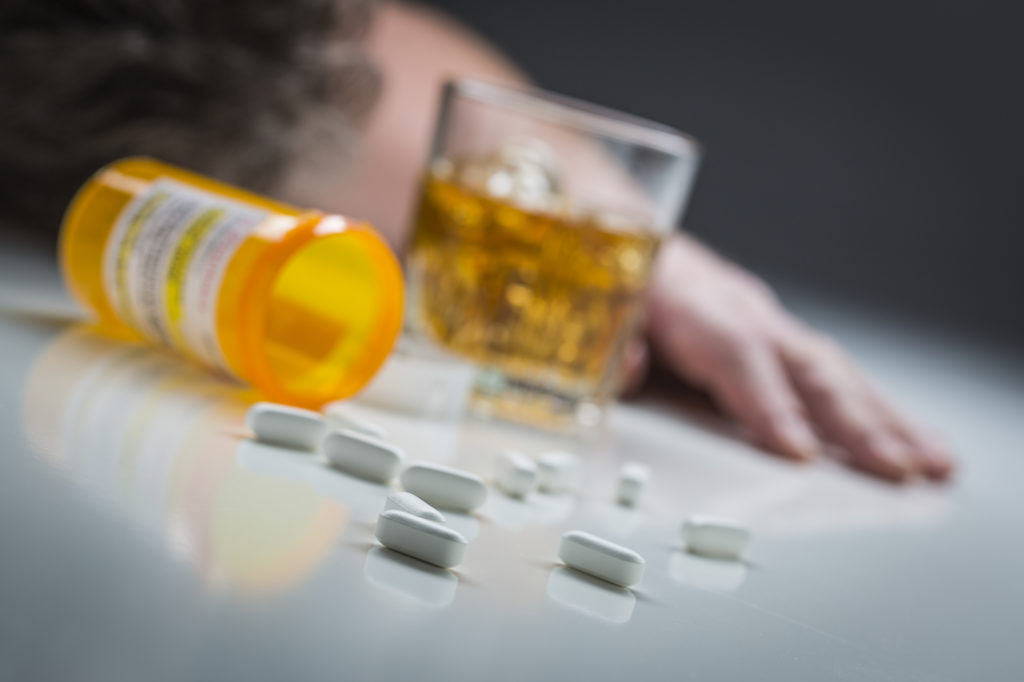
The act of drinking alcohol isn’t a sign of a problem or an addiction. But it is possible to overdo it, leading social drinkers to become problem drinkers. It’s important for everyone who drinks to know where the line for social drinking ends and alcoholism begins.

Read on to learn more about the lines between social drinking and alcoholism.

Social Drinking

It’s difficult to define social drinking because everyone has a different limit and it all depends on an individual’s preference and tolerance levels. But, in general, as long as you have complete control over your drinking, you are just a social drinker.

A whopping 87% of all adults in the United States admit to drinking alcohol at some point in their lives. Just over 65% of them do so on a monthly basis.

Most people drink this much without a problem. In fact, there are some studies that show it even has some health and stress-reducing benefits.

Problem Drinking

How exactly does problem drinking differ for alcoholism? Is there even a difference?

Yes, there absolutely is. If your body isn’t dependent on alcohol to function, but it still negatively impacts your health and you continue to use it, you are a problem drinker.

So, if you go on a weekend-long gambling spree while you’re drinking but then come back afterward to much less money but go on about your life for a few months before even thinking about another drink, you’re probably a problem drinker.

Here are some of the warning signs of problem drinking:

  • Missing work or class
  • Avoiding family and friends
  • Depression
  • Irresponsible spending
  • Losing relationships
  • Unsafe decisions
  • Legal trouble
  • Drunk driving
  • Blackouts

You might notice that many of these are similar to the warning signs of alcoholism. However, the main difference is that with problem drinking, your body isn’t dependent on alcohol.

You can still easily develop alcoholism, and frankly, you could be on the fast track for it right now. It is life changing and should be dealt with. However, it’s not alcoholism.

Alcoholism

Unlike social drinking and problem drinking, alcoholism is a disease. Alcoholics are always craving their next drink. They have no control over their disease and if they were to try and stop without help, they would experience withdrawal symptoms because their bodies are physically dependant on alcohol. Also, they have a much higher tolerance for it because of how much they drink.

There’s no easy way to say it: too much alcohol is dangerous. It increases your risk of cancer, it damages your liver, it impedes your brain function, and it hurts your other organs.

Sometimes, the signs of alcoholism are right there in the open for everyone to see. Other times, they’re hidden. Alcoholism is a disease of shame, and people dealing with it often don’t want others to know that they have the problem.

Some of the more common and noticeable signs are:

  • Unable to control drinking
  • Craving alcohol
  • Putting alcohol before responsibilities
  • Need to drink more to feel satisfied
  • Spending a lot of money on alcohol
  • Acting differently after drinking

People with alcoholism feel like they can’t function without alcohol. In a typical case, it will slowly start to degrade work and personal relationships, leading to an alcoholic’s decline. However, this isn’t always the case.

Reasons for Drinking

There is so much to consider when it comes to alcohol abuse and alcoholism. Sometimes, all it takes is the smallest trigger to cause people to turn to alcohol and then it becomes a giant downward spiral that turns into dependency.

We’ll talk a little bit about some of the more common reasons for drinking here.

Stress Relief

This is the most common reason people use to drink. And there might be some scientific merit to it like we mentioned earlier. However, when you rely on alcohol to take care of the stress of everyday life, you can set the tone for future alcohol abuse.

Alcohol is both a depressant and a sedative, so you start to feel good after you drink it. Soon, you’ll build a tolerance and need more of it to feel those good feelings again.

Dealing With Loss

Nothing can prepare you for the feelings you experience when you lose a loved one. People turn to alcohol to help them through the grief they feel. But what starts as a short period of alcohol use turns into a dependency very quickly, if the drinker isn’t careful.

Anxiety

As we said, alcohol is a sedative. It lowers inhibition and allows people to feel better about social situations that might usually make them uncomfortable. If the drinker comes to this point frequently, it can turn into an addiction.

The Health Risks of Alcoholism

Drinking too much even once can cause serious health problems. And the short-term effects can be just as bad as the long-term ones.

As an example, a short-term side effect of drinking is a slow reaction time. When you get behind the wheel of a car with a slow reaction time, you put yourself and everyone else on the road at risk.

Some other short-term effects include:

  • Poor reflexes
  • Lower brain activity
  • Lower inhibitions
  • Blurred vision
  • Breathing issues
  • Restlessness

But it isn’t just the short-term risks you should look out for. Long-term alcohol abuse can also cause:

  • Brain defects
  • Liver disease
  • Diabetes complications
  • Heart issues
  • Cancer
  • Vision damage
  • Bone loss

Alcoholism can even be fatal, in some circumstances.

Social Drinking vs Alcoholism

If you think that you or someone you love has turned from social drinking to alcoholism, it’s important to know that you’re not alone. You don’t have to fight this fight alone, either.

The decision to get help for an alcohol abuse issue is one of the hardest choices you will ever have to make, but it’s important that you make it. Alcohol doesn’t have to run your life. You can do this. We’re here to help.

For more information about recovery and how you can get sober, visit us today.

6 Signs Your Loved One May Be Suffering from Prescription Pill Addiction

pill addiction

Thanks in no small part to the ongoing Opioid Crisis in the United States, the truth is that more people than ever before will need to recognize the signs of a pill addiction.

Perhaps you even already suspect that someone you love has a problem — and you’re looking for advice about whether or not your intuition is correct.

In this post, we won’t just tell you about a few of the most common pill addict symptoms.

We’ll also let you know where you can go to learn more about getting help for yourself or someone else in your life.

1. They Look Different

One of the most common signs of a pain pill addiction?

A sudden change in a physical appearance.

You may notice that the person you suspect is an addict has lost a serious amount of weight recently. They may have dark circles under their eyes, seem to have lost their strength, or just look as though they haven’t been taking care of themselves.

This is because whatever they’re taking can change their overall appetite. They may binge eat after surviving on barely anything for days.

While rapid weight loss isn’t always one of the signs of being high on pills, in combination with other things it’s certainly a cause for concern.

2. They Isolate Themselves

Can’t remember the last time you saw the potential addict in question?

Have you noticed that they seem to go days — even weeks — without returning your calls or text messages. Are they canceling long-held plans at the last second — or not showing up at all?

And when they do talk to you, do they seem eager to get off the phone?

The person may be trying to hide the severity of their pill addiction. They also might prefer to spend their time using or just acquiring drugs instead of seeing family and friends.

3. They Have Sudden Mood Swings

One of the most difficult signs that pain pill use has turned into addictive behavior?

If the person begins to serious lash out or experiences mood swings that often border on violent.

One moment, the addict in question could be feeling on top of the world. They might be buying you rounds, posting pictures on social media showing how awesome their life is, or even going on shopping sprees.

The next minute, they’re curled up in a ball crying, throwing things, or just become totally lethargic.

This can take a serious mental toll on family and friends.

4. Their Sleep Schedule Is All over the Place

Do you get emails or texts from this person at all hours of the night?

Have they started showing up late to work — if they show up at all — because they’re sleeping the day away?

Some stimulant drugs can make users stay awake for several days, while others can cause them to sleep for unhealthily long periods.

In short, it seems like their sleep schedule has become erratic — and it’s clearly impacting their overall ability to function.

Sadly, this is a potential sign of pain pill addiction. If possible, try to monitor the person’s sleeping habits a bit more closely, so that you can get a better idea of what they might be using.

5. They Live in a State of Denial

If you suspect that someone close to you is displaying pill addict symptoms, maybe you’ve already tried to talk to them.

Chances are, it hasn’t exactly gone well.

When they’re not flat-out denying that there’s any kind of an issue, they accuse you of “ganging up on them” or “lying.”

Usually, this is a sign that your instincts are right — and that there is a very real problem at hand.

The addict in question likely feels ashamed of their behaviors. They also may have so much pride that they don’t want to admit they’ve lost control over their addiction.

Of course, they also may genuinely believe that they don’t have any kind of an issue.

6. They’ve Asked You for Money

Everyone goes through financial hardships from time to time.

But lately, you’ve noticed that your bank account has been, well, depleting at a faster rate than normal. You suspect that the addict may be stealing from you to support their habit.

Perhaps the person in question has even started asking you for money far more often than they usually do.

Especially if they’re not exactly ready to tell you what they’re planning on using the money on?

They may be financing street deals, or even paying for expensive doctor’s visits to get more medication (known as doctor shopping.)

This is a consequence of addictive behavior that can derail the course of your life — even if you desperately care about the addict.

It’s up to you to stop giving them the money when they ask for it.

You may also want to start thinking about getting them help.

Getting Help for a Pill Addiction

Whether you yourself are staring down a pill addiction, or if any of the signs here resonated with you in regards to a family member, we know that you’re going through a lot right now.

It can be so hard to know what to say to an addict — and even harder to predict how they might respond.

You desperately want them to get the help they very clearly need.

You just don’t know where to send them, or how to approach a difficult conversation.

We can help.

Keep reading the other articles on our blog about not only how to recognize the signs of addiction, but also how to find the right kind of rehab to end it for good.

Is Medical Marijuana The Solution to Opiate Addiction?

Medical Marijuana

Dozens, believe it or not, of people die every single day due to an opioid overdose. Some even believe dozens will turn into hundreds at the rate we’re going due to the addiction epidemic expanding across America. There have been solutions around to the opioid problem in the U.S., but these are often seen as outdated and non-effective. With so many of these solution and recovery options involving an alternative, but also addictive, substance or medicine, it’s becoming much harder to kick the habit. Maybe we’re looking in all of the wrong places, I mean why are we prescribing addictive substances to those already addicted to another substance?

Perhaps the solution is right in front of our very eyes. It could be something we’ve overlooked or even disapproved: marijuana. Whether you’d like to disagree or not, marijuana has been around as a form of medicine for thousands of years, much longer than prescription or over-the-counter medicine. Those who utilize the medicinal properties of medical marijuana stand by it, and there’s a reason why.

Are We Forgetting About CBD?

This who are against using medical marijuana to treat opioid addiction, or even cancer, must have lost the memo regarding CBD, or Cannabidiol, and its many, many benefits on the human body. Just as we are able to create prescription medicine that has a specific set of effects on the body, we are able to do so with marijuana. This entails breeding, genetics and cannabis strains utilized to enhance its effects on the body. Oh, and when it comes to CBD, you don’t necessarily have to smoke it.

Certain cannabis strains containing CBD have been proven to nullify the withdrawal effects of opioid addiction. Some withdrawal symptoms of a person addicted to opiates include:

  • anger and agitation
  • body aches and abdominal pain/cramping
  • bodily chills
  • drug cravings
  • diarrhea and/or constipation
  • nausea and loss of appetite

Believe it or not, but there is a CBD strain in medical marijuana for each and every one of these symptoms. It can be consumed orally through the use of tinctures, oil, vaporizer, oral spray, and even topically on affected areas. If there is physical pain caused by opiate withdrawal, topical CBD mixtures could be applied to alleviate the area. Ingesting CBD encourages a resistance to the use of the drug you’re addicted to due to the relieve of withdrawal symptoms. Interacting with the body’s natural systems, CBD commonly alleviates physical pain and discomfort as well as increase the mental state of mind.

The Endocannabinoid System

If you haven’t heard of this yet, you must have been like the rest of us during biology. The endocannabinoid system comes into play when our body has pain or is inflamed in specific areas as it decreases the pain we feel while alleviating the area. It also increases immunity in ways similar to the effects of CBD. Both CBD and THC in medical marijuana have specific cannabis strains that interact with the body’s endocannabinoid system to relieve physical pain, which, for some, is the hardest part about withdrawal.

Cannabis can, in a sense, rewire the way your endocannabinoid system interacts with the brain. It can send signals to discourage the use of addictive drugs while preventing the affects of withdrawal and nullifying any cravings. Prescription medicine, such as methadone, does not interact with the brain in this way and, instead, causes chemical reactions that temporarily ease the mind and body. Cannabis does not encourage withdrawal to CBD or THC once you decide to stop its use unlike methadone which, when usage is stopped, will cause the brain to seek a replacement in heroin or other opiates.

Is Cannabis The Solution for Overcoming Opiate Addiction?

While not all recovery and treatment centers carry this form of treatment in their facilities, cannabis is surely a viable option to overcome opaiate addiction and alleviate withdrawal symptoms during recovery. Depending on where you live within the U.S., there may be options for you to try cannabis as a form of recovery against opioid or heroin addiction. Consider traveling to a state where marijuana is legalized, or get a prescription for medical marijuana from your doctor/recovery specialist to aid in your recovery.

How Will The New Tax Reform Bill Affect Those Looking for Treatment?

How Will The New Tax Reform Bill Affect Those Looking for Treatment?

The U.S. Senate recently passed a tax reform bill that repealed the Affordable Care Act’s individual health insurance mandate. Yeah, it sounds like a bunch of gibberish at the moment, but you’ll soon realize its meaning and how it may affect you or a loved one seeking treatment.

It has been said that the reason for this is to give Americans the freedom of choosing their preferred health care coverage instead of having health insurance chosen for them. Unfortunately, the new tax reform bill will cause health insurance coverage plans and premiums to rise in price. This, in turn, makes it much harder for the average American to afford, making addiction treatment and recovery programs nearly impossible to enroll in.

Limited Treatment

With premiums rising in the healthcare industry, drug and alcohol addiction treatment rates will also rise. This makes it much harder to recover from an addiction, and you may end up discouraged about getting sober overall. However, it shouldn’t be entirely pushed out of your mind, as there are many programs made available that you may be able to qualify for depending on your current living status and insurance.

Drug rehabilitation programs and treatment centers typically offer a variety of treatment packages and programs available to those looking to recover. With many treatment programs made available to individuals of all income rates, there may be treatment available to you. Whether or not you have insurance, there are always addiction treatment centers open to the public.

Lack of Insurance

With limited treatment options available to those with health insurance, there may be individuals without health insurance altogether. It has been predicted that millions of people will lose their health insurance in the next year due to the new tax reform bill. Within twenty years, there will be nearly 13 million people across the United States without healthcare coverage. This is directly due to the bill and its impact of the cost of health insurance.

The tax penalty for those without health insurance, however, is a much greater cost than standard coverage packages. This, designed to encourage everyone to have healthcare coverage, will make it much harder to obtain proper healthcare. In the end, the more people who don’t purchase health insurance, the high the cost is for standard premiums, inflating the cost altogether. This will greatly impact those looking not only for addiction treatment, but treatment for cancer, disease and other health issues as well.

Your Options

The impact of the new tax reform bill will make living much harder for those with illness or are suffering addiction, despite its efforts to do just the opposite. However, there are options available to those with limited or no insurance. There are many programs made available specifically for those affected by the new tax reform bill that are looking for addiction treatment, and you can find some of them here. Those of an older age who are looking into finding a drug rehabilitation program may have a much harder time finding treatment, but there are also options for them as well.

Healthcare, although limited by the government at the moment, is not non-existent. It’s also important to know that we as a whole have a voice and can speak out about the impact the new tax reform bill has on us. Be sure to reach out to the House Senate to voice your opinion and notify others of the impact it has on our health insurance and lack of coverage. This is especially essential to those looking for affordable drug and alcohol addiction treatment programs and facilities. Health insurance isn’t necessary for drug addiction treatment, but it is necessary since the bill has passed.

I Have No Insurance, What Treatment is Available to Me?

no insurance for drug or alcohol addiciton treatment

There are many instances in which an individual wouldn’t be able to pay for drug addiction treatment or a stay at a rehabilitation facility. Those suffering from homelessness, poverty or the financial toll their addiction has brought forward have options available to them, with or without insurance. If you have no insurance to cover hospital or treatment charges, you’re not alone, nor are you left out from receiving treatment for your addiction. There are many options available to you no matter where in the U.S. you may be located.

Free Drug Rehab

There are free options available for those with little to no insurance looking to recover from their addiction. Although these rehabilitation services and facilities are not as extensive and personal as paid treatment is, it is still treatment that can get you off of your addiction. Free drug rehabilitation treatment is made available to everyone depending on who is administering the treatment.

Whether it be a church or a local, state-funded, facility, you could qualify for completely free rehabilitation treatment with no insurance whatsoever. Here are some of those options:

Faith-Based Rehab

There are many faith-based groups and organizations that offer drug and alcohol recovery programs across the U.S. Some are nationwide, like the Christian Salvation Army, while others are much more local and restricted to certain areas. Many of these local rehabilitation centers offer full recovery support based on faith and religious tradition. Depending on your religion, there are faith-based rehabs available to you whether you’re Jewish, Christian, etc.

Faith-based rehabs often provide 12-step and detox programs aiming toward ridding you of your addiction via traditional rehabilitation. Services such as counseling, religious motivation, support groups and more are made available to you during your recovery. Some even offer in-patient programs at local facilities depending on your location and faith. Although many of these free drug rehab centers do not provide medical detox, leaving that treatment up to you on if and how you decide to fund it.

State-Funded Rehab

You may qualify free drug rehabilitation treatment through a state-funded rehab depending on your qualifications. Most states provide either complete or partial funding for drug and alcohol addiction recovery. These rehabilitation services are ideal for those affected with poverty or homelessness, as treatment doesn’t cost a thing unless you choose it to be more extensive than what’s being offered to you for free.

There are specific qualifications that factor in the type of state-funded rehab services that are available to you. These include:

  • Location of official residence
  • Income or lack of income
  • Insurance or lack of insurance
  • Citizenship
  • Type of addiction

Depending on the above, free treatment will vary. There may also be additional requirements before you’re completely accepted and covered under a state-funded rehab. With no insurance, this may be the way to go for some people looking to recover.

Other Options

If you have no insurance to cover a rehabilitation treatment facility or program, but also do not qualify for any of the above, there are still options available to you. This includes:

  • Local support groups. This isn’t extensive treatment, but it may be just what you need to finally kick your addiction. Consider researching any local AA groups if you’re suffering from an alcohol addiction.
  • Scholarships. Believe it or not, some scholarships offer treatment assistance depending on your income and addiction.
  • Loans. Consider applying for a loan with your desired drug rehabilitation facility, center or program. Financing is a common way of paying for addiction recovery without breaking your wallet in one go.
  • Friends and family. Reach out to any of your close relatives or friend who would be willing to help you in your troubles. It may be worth a shot to simply ask.

Despite what anyone tells you, there is always treatment made available to you no matter where you live in the U.S. or what conditions you’re living conditions are. Drug and alcohol addiction is a growing epidemic across America, so consider these options if you choose to not become another statistic.